
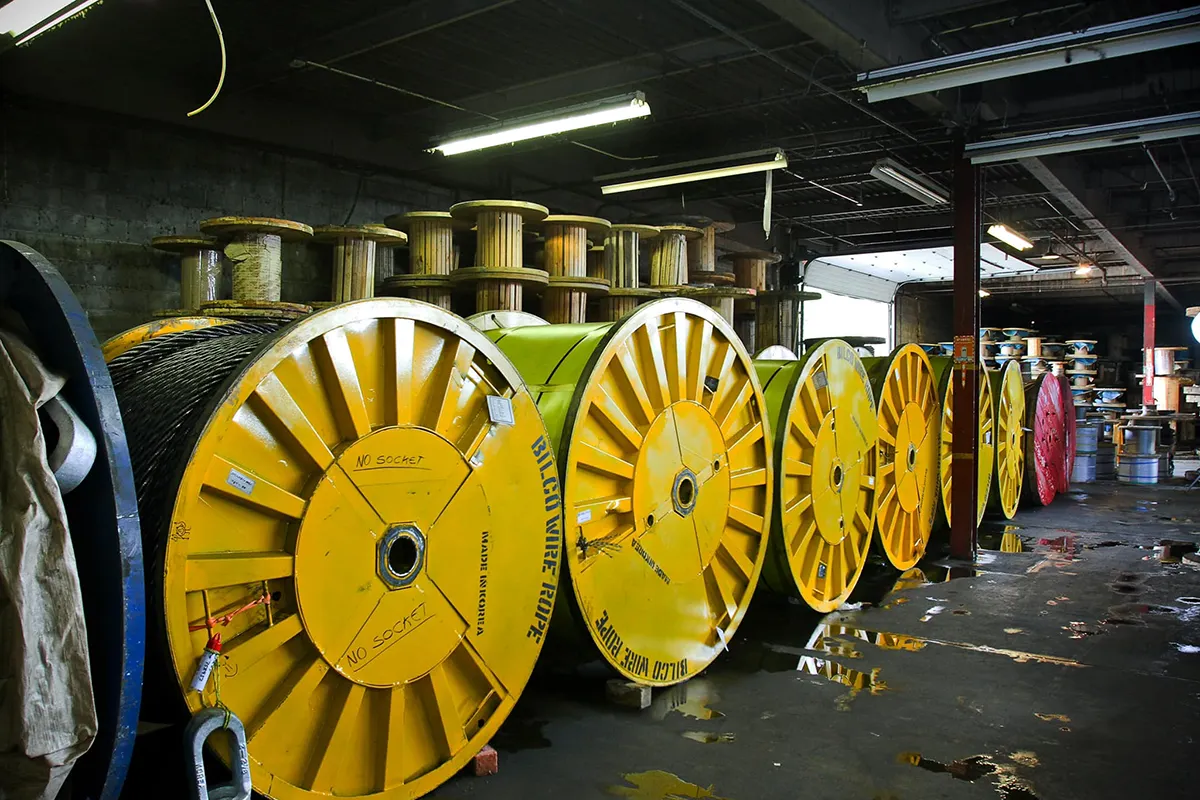
A wire rope can meet the stated load and still be the wrong choice for the job. That is where many selection problems begin. The issue is not always that the rope was undersized; it is that critical parts of the application were never weighed properly in the first place. Bending conditions, duty cycle, environment, and whether the rope is used for lifting or pulling can all affect what actually holds up in service.
Wire rope is not selected solely based on specification. It is defined by how it is used. The application, the load, whether it is lifting or pulling, how often it bends, and the environment it operates in will determine what actually performs and what does not. Recognizing this helps the buyer feel assured they are making an informed choice based on their specific needs, fostering confidence in the process.
Wire Rope Selection Starts with the Application and Expected Load
Wire rope selection begins with the job itself. Before anything else, identify what the rope is being asked to do and what load it is expected to carry in service. At Bilco, that is where the conversation starts, because every useful decision that follows depends on those two facts.
We offer a wide selection tailored to different operational demands, so the real task is narrowing the field to the customer’s actual need. Without a clear application and expected load, a buyer is not really comparing suitable options. They are comparing products without a reliable basis for judgment.
Application matters because it defines the kind of demand being placed on the rope. Expected load establishes the basic working demand, but it does not settle the choice on its own. Once those two facts are clear, the more important questions come into focus. Is the rope being used for lifting or pulling? Will it bend repeatedly over a sheave or drum? Will wear, debris, or severe service conditions shorten life? Addressing these details shows respect for the buyer’s expertise and helps them feel understood and supported in their decision-making.
Starting here keeps the selection process grounded in function instead of assumption. It prevents the common mistake of treating wire rope as interchangeable so long as a few visible specifications match. In practice, that is where many poor choices begin.
Lifting and Pulling Are Not the Same Demand on the Rope
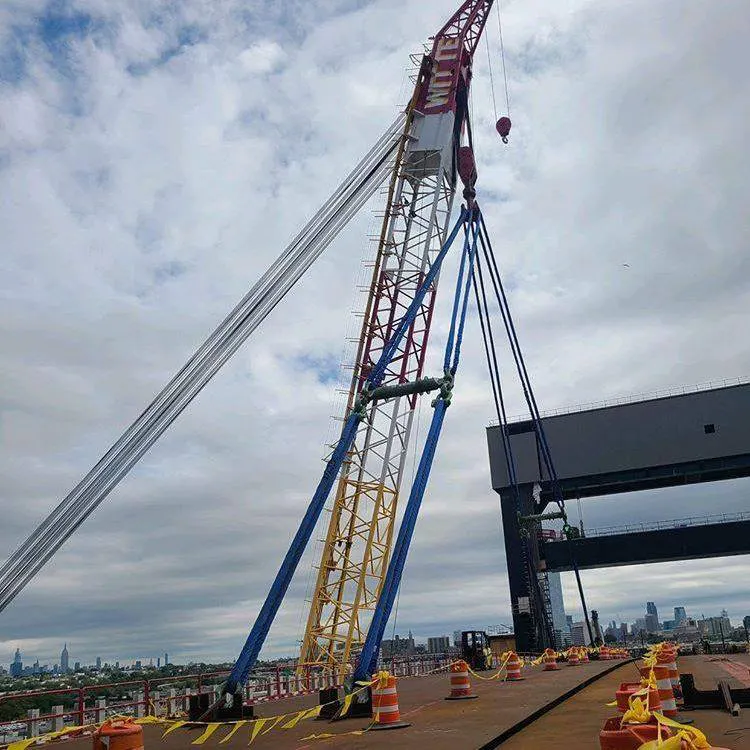
Once the application and expected load are clear, one of the next details Bilco looks for is whether the rope will be used in a lifting application or a pulling application. Customers often leave that out, but it can change the entire direction of the selection process because those two uses place different demands on the wire.
At a glance, lifting and pulling can seem close enough to treat as variations of the same job. In both cases, the rope is under tension, and the load matters. The problem is that this similarity can hide the fact that the rope is not being worked the same way. That difference has to be defined early, because it affects what the rope must do in service and what performance traits matter most.
Lifting applications
In a lifting service, the rope supports and controls a suspended load. That raises the stakes immediately. Rope behavior under load, operational consistency, and long-term performance through repeated use all become critical.
A buyer cannot stop at expected load alone, because lifting applications often involve bending over drums or sheaves, repeated cycling, and equipment conditions that place demands on the rope far beyond a basic capacity match. A rope that looks acceptable on paper may still perform poorly if it does not align with how the system operates in actual service.
In lifting applications, the selection process usually has to account for:
- Repeated bending in operation
- Service life under ongoing use
- How the rope behaves through the equipment
- Whether a more advanced rope is needed than a general-purpose option
That is why lifting service cannot be treated as just another tension application. The rope is being asked to carry, control, and endure simultaneously.

Pulling applications
A pulling application can still place heavy demand on the rope, but the nature of that demand is different. The rope may be under substantial tension, yet the selection process may need to focus more on how the rope moves, where it contacts, and the wear the setup creates over time.
This does not make pulling less demanding. It changes the evaluation. In many pulling applications, the buyer needs to think more carefully about the service environment and the physical stress the rope will encounter during use.
Common concerns in pulling service often include contact and wear issues, such as abrasion, movement through the system, and exposure to harsher operating conditions. The load still matters, but it may not be the factor that tells the buyer most clearly what will shorten rope life first.
Why the distinction matters
This is why Bilco treats lifting versus pulling as more than a routine clarification. It is one of the details that helps determine what the rest of the evaluation should focus on.
Once that use is defined clearly, the next questions become more precise. Will the rope bend repeatedly over a sheave or drum? Will the application demand more flexibility, or will severe conditions push the choice toward greater durability? Is a general-purpose rope being used where a higher-performance rope is actually required?
Without first separating lifting from pulling, those later decisions are harder to make well.
How Durability and Flexibility Affect Wire Rope Selection
Once the rope’s use is clearly defined, the next step is to examine how that use will wear it over time. This is where wire rope selection often gets oversimplified, because buyers may assume they are choosing between strength and flexibility when that is not the real decision. At Bilco, that tradeoff is framed differently. In many applications, the choice is not strength versus flexibility. It is durability versus flexibility, and the right answer depends on what the rope will face in actual service.
That distinction matters because flexibility and durability do not protect against the same kind of stress. If a rope is going to be wrapped around a sheave or drum, flexibility becomes more important because it helps the rope bend and cycle in service without giving up usable life too quickly. In that kind of application, a more rigid rope can create problems even if the stated load looks acceptable. The issue is not simply whether it can hold the load once. The issue is whether it can keep working through repeated bending without shortening the rope or the equipment’s lifespan.
Flexibility tends to matter more when the application involves:
- Repeated bending over a sheave or drum
- Continuous cycling in normal operation
- Equipment where rope movement is part of the job, not an occasional event
In those conditions, the rope has to do more than carry weight. It has to move through the system in a way that supports longer service life.
Durability becomes more important when severe service conditions create wear that will degrade the rope faster than bending fatigue. If the application involves more wear or debris, durability can outweigh the need for flexibility. That is an important distinction because it shifts the selection process away from abstract rope characteristics and back toward the actual operating environment. A rope working in harsh conditions may need to withstand abrasion, contamination, and surface wear that would make a more flexible choice less effective over time.
That is why this is not a matter of picking the “best” rope in the abstract. A rope that performs well in repeated bending service may not be the best answer for a harsher environment where wear is the dominant threat. In the same way, a rope chosen primarily for toughness may be the wrong choice if the application requires repeated bending through drums or sheaves. The right choice comes from identifying what is most likely to shorten the rope’s life in that specific application.
This is also where buyers can get misled by broad assumptions. If the decision is framed too simply, the rope may be chosen for a characteristic that sounds important, without sufficient attention to how the system actually works. Bilco’s approach is more useful because it ties the decision back to the job itself. If bending is built into the application, flexibility deserves more weight. If severe conditions, debris, or wear pose a greater threat, durability deserves more weight. That is how the selection process starts, moving from general suitability to a rope that is better matched to the real service demands.
When General Purpose Wire Rope Is Not Enough
A common selection mistake we see at Bilco is the use of general-purpose wire rope in crane applications that require high-performance rope. That mistake usually does not come from ignoring the job. It happens when buyers rely too heavily on what has been used before, what an older spec calls for, or what seems close enough on paper.
That is where the earlier selection questions matter. If the rope is in a lifting service, repeatedly bends over a sheave or drum, and service life matters, then the choice cannot stop at a general product category. A general-purpose rope may sound suitable in broad terms and still fall short in actual crane service.
We often see this with older cranes. The original manufacturer’s specifications may call out general-purpose wire because that was available at the time. Since then, lifting and rigging have advanced, and in many cases, manufacturers now require high-performance wire rope that did not exist when those older machines were first built. That means an older specification may explain the original selection, but it does not always answer what the application requires now.
That is why we do not start with a rope name and work backward. We start with the application and expected load, then evaluate how the rope will be used, how it will bend, and what conditions will work against it. That process makes it easier to see when a general-purpose rope is still appropriate and when a higher-performance rope is the better fit.
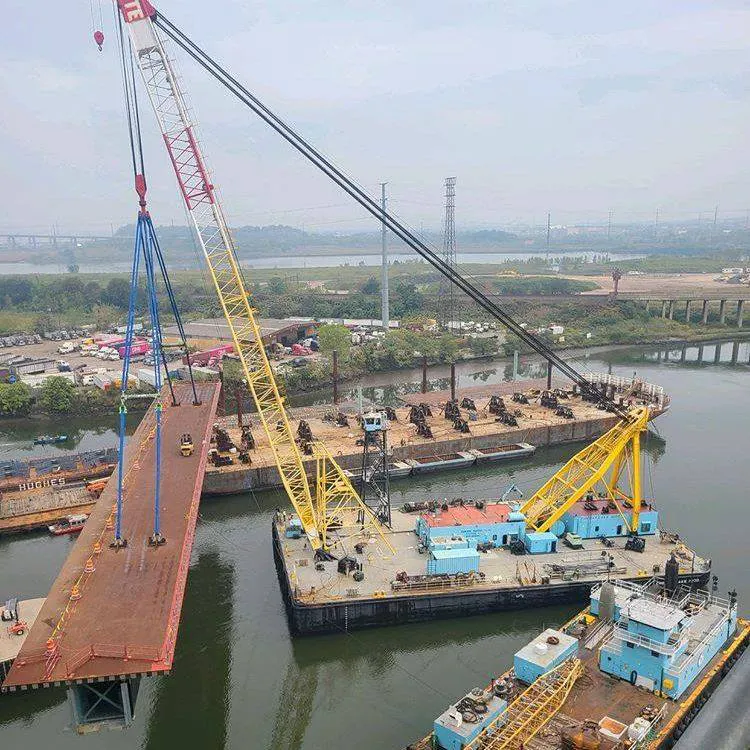
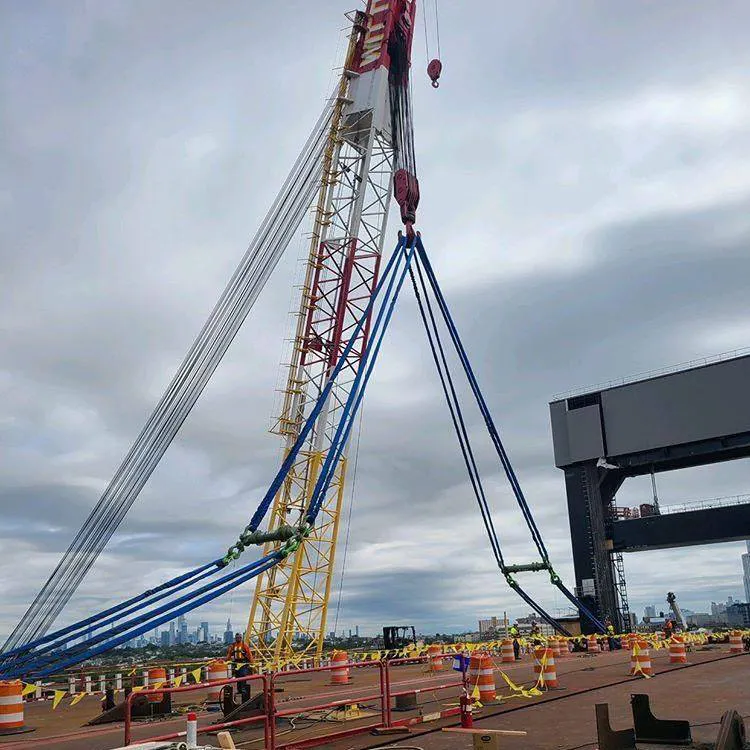
SEE OUR WIRE ROPES IN ACTION



Work Back from the Application
Choosing wire rope correctly means staying focused on what the job requires of the rope. Load matters, but so do the method of use, bending conditions, service demands, and whether the application calls for greater flexibility, greater durability, or higher-performance construction. When those details are treated as secondary, the accuracy of rope selection decreases. At Bilco, we help customers work through those factors so the final choice reflects the real application, not just a familiar label or an old assumption. Partner with us to select the right wire rope for your equipment’s operating conditions.