

Wire Rope Classifications: What Industrial Buyers Need to Specify
A wire rope request can begin with information that has followed the equipment for years: an old purchase order, a familiar designation such as 6×19, or terminology everyone inside the operation understands. That information can provide a useful starting point without identifying the exact rope the buyer needs today. A class designation can describe a […]
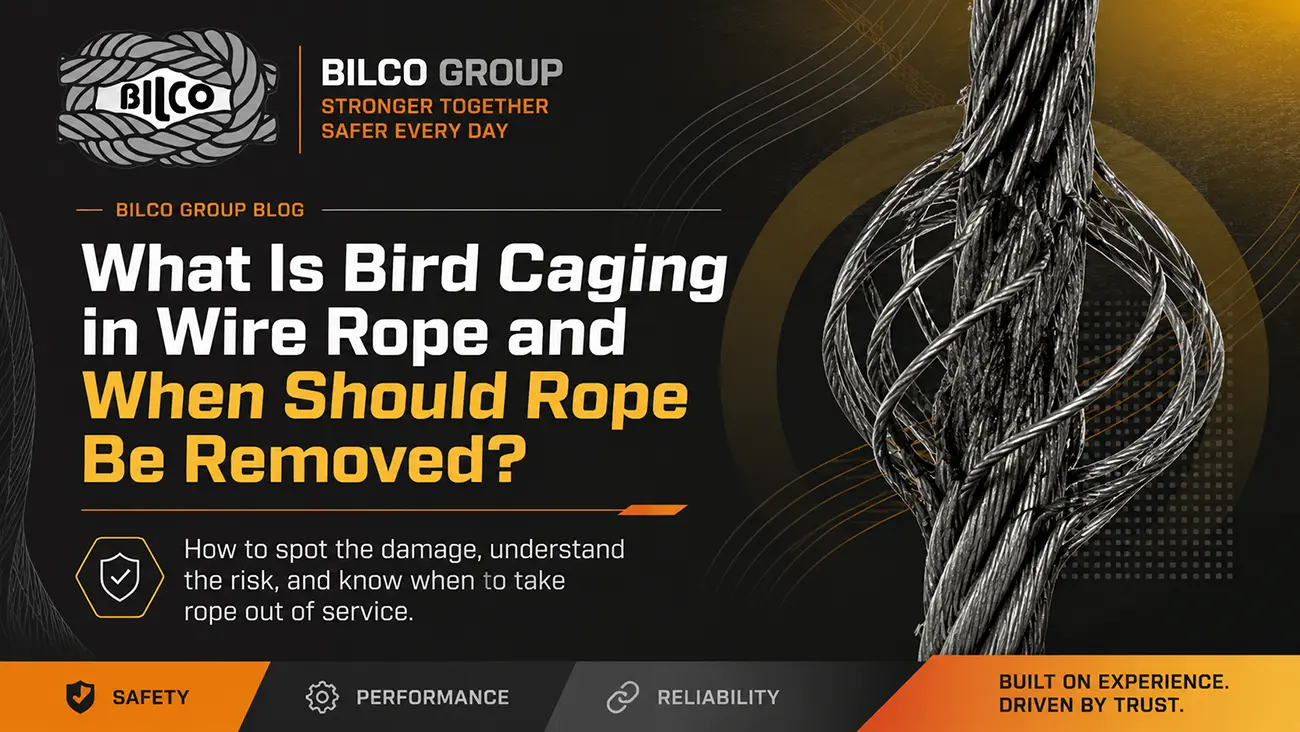
What Should You Do If Wire Rope Has Bird Caging?
A bird-caged wire rope creates a decision problem before it creates a replacement order. The rope has already changed shape, the outer strands have already moved away from the rope body, and the damaged section no longer deserves normal service assumptions. Customers who know wire rope often call this bird caging by name. Other customers […]

How to Read Green Pin® Shackle Markings and Verify Shackle Identification Before a Lift
A shackle might fit the connection point and still be the wrong part for the lift. Two shackles with similar dimensions might carry different Working Load Limits, use different steel grades, or require different pin-securing systems. A replacement pin might pass through the shackle eyes without being part of the rated assembly. Visual fit alone […]
Should You Use a 7×7 or 7×19 Wire Rope?
Wire Rope Rigging supplies tend to fail when paired with the wrong rope. The label on the old cable does not tell the whole story. A customer may ask for 7×7, 7×19, or GAC wire because that label appeared on a prior order, an old invoice, or the cable being replaced. We still need to […]
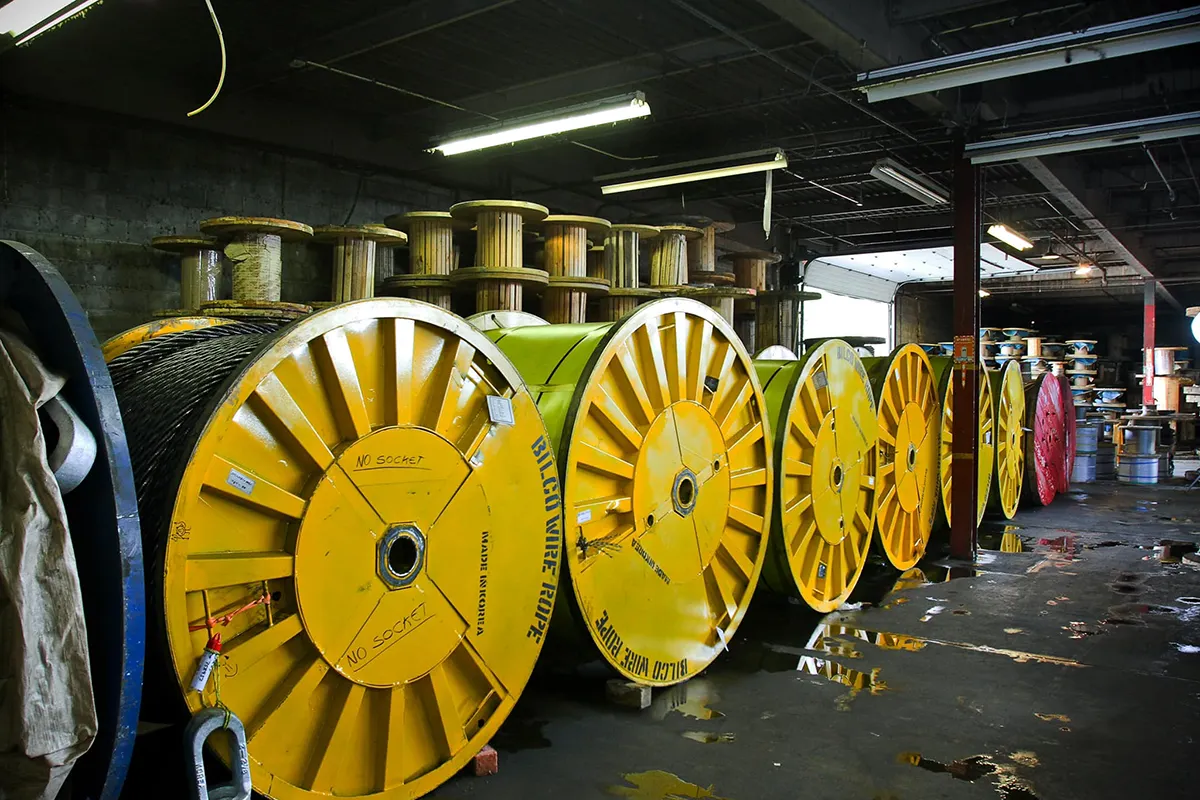
How to Choose the Right Wire Rope for Your Application
A wire rope can meet the stated load and still be the wrong choice for the job. That is where many selection problems begin. The issue is not always that the rope was undersized; it is that critical parts of the application were never weighed properly in the first place. Bending conditions, duty cycle, environment, […]
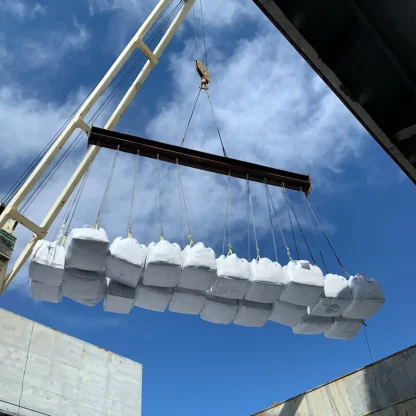
How Loading Conditions Affect Wire Rope Life in Lifting and Marine Applications
A lift doesn’t have to go wrong to damage a wire rope. Most of the damage we see doesn’t come from catastrophic events; it comes from routine work done under the wrong conditions. A load breaks free from mud, tension spikes for a split second, and everything looks fine again. Weeks later, the rope tells […]
Choosing Between Bow Shackles and Dee Shackles for Wire Rope Slings
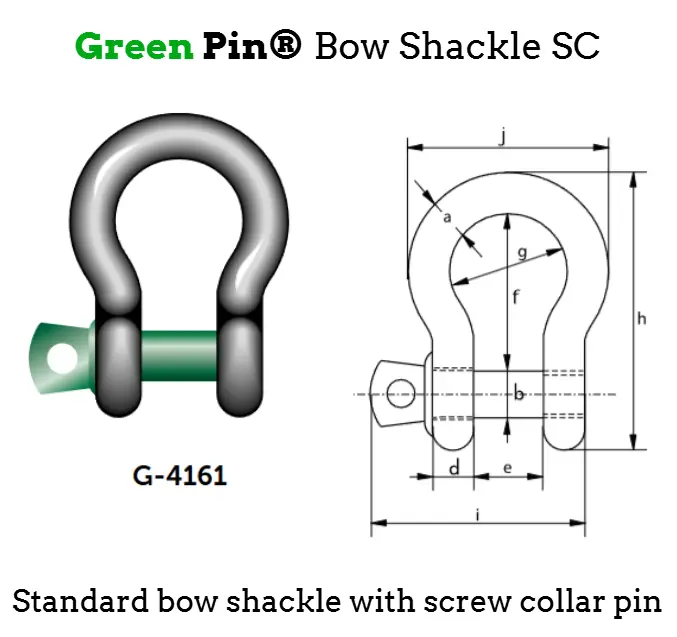
Selecting the correct Green Pin® shackle for a wire rope sling assembly often looks simple at first. The hardware fits the connection point, the working load limit appears sufficient, and the rigging seems ready to go. In practice, many rigging problems begin with a much smaller decision than the lift itself. The shape of the shackle […]
HMPE Rope vs Steel Wire Rope: How Failure Behavior Shapes the Right Choice
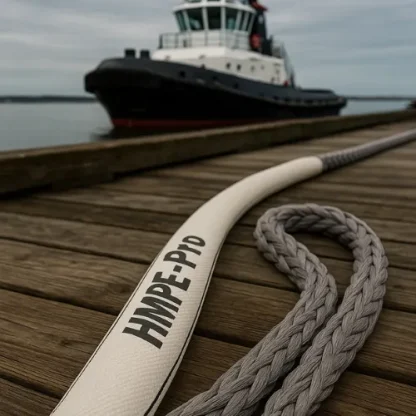
Most rope decisions are made assuming ideal conditions. Clean geometry. Proper handling. Predictable wear. Real jobs rarely stay that controlled. What determines rope performance in practice is not catalog strength. It is how the rope behaves once corrosion sets in, once weight slows crews down, and once fatigue starts building in places that inspections do […]

Why Wire Rope Corrosion Accelerates in Real-World Operating Conditions
Wire rope does not fail because corrosion exists. It fails because corrosion progresses faster than expected, often in places no one is watching, until strength, fatigue resistance, and ductility are quietly reduced beyond recovery. In real operating conditions, corrosion is not cosmetic. It is structural. What makes corrosion dangerous is not that it happens, but […]
How to Prepare Rigging Operations for Extreme Environments: Materials and Lubrication Choices
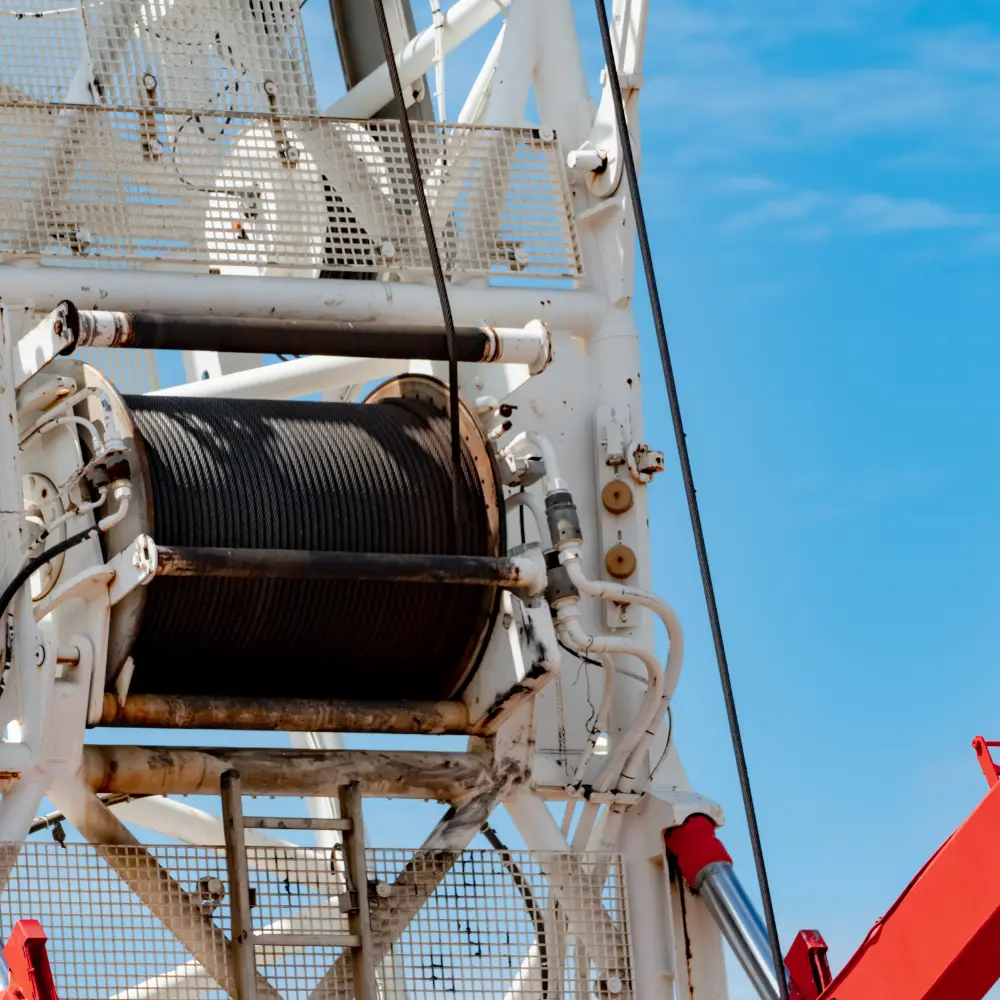
Extreme environments can damage rigging equipment through heat, chemicals, corrosion, impact, and constant motion. Preparing rigging operations for those conditions requires choosing the right materials, protecting that equipment from the elements, and maintaining it to prevent premature failure and ensure safe lifts. Recognize Environmental Stressors Many factors influence the service life of a wire rope. […]