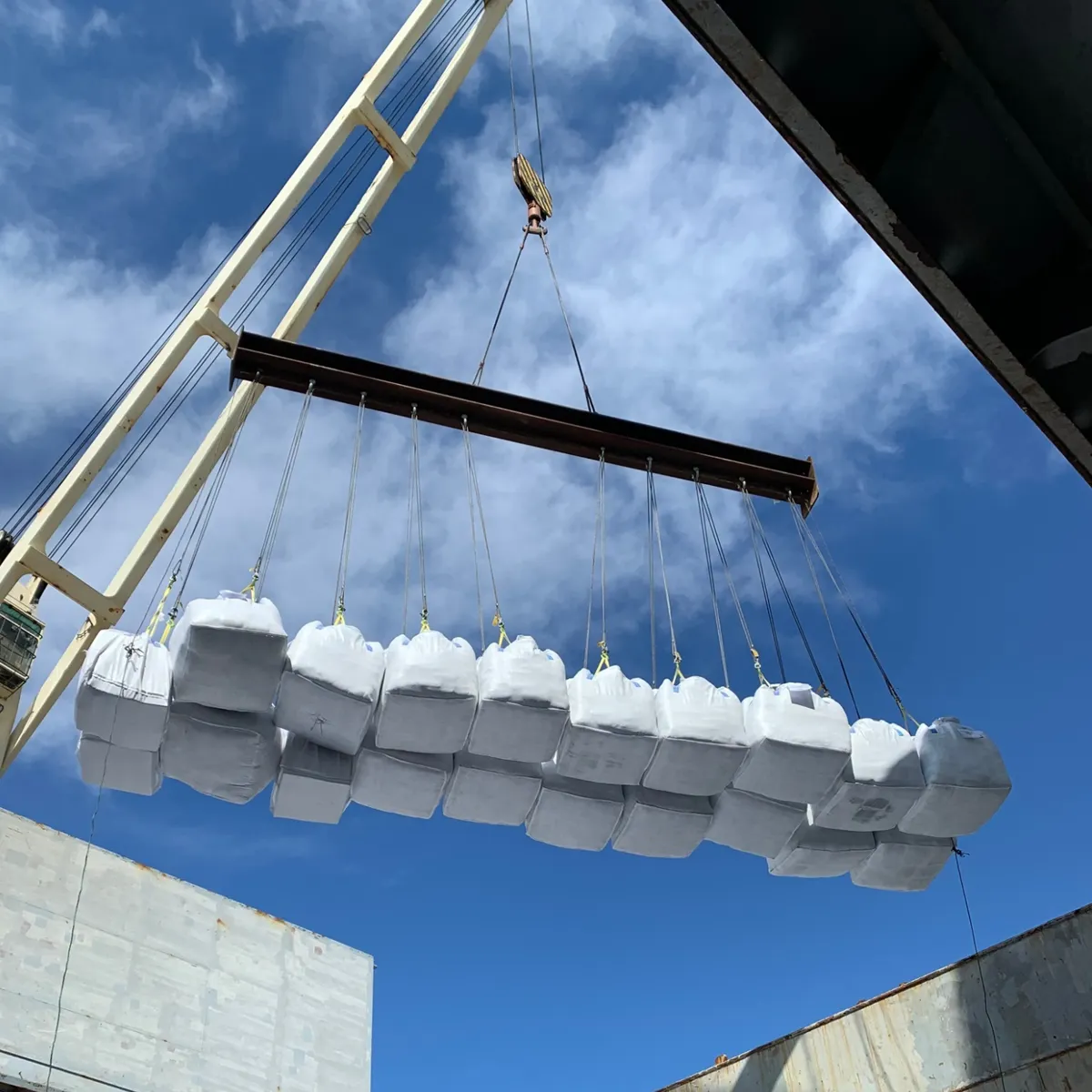
A lift doesn’t have to go wrong to damage a wire rope. Most of the damage we see doesn’t come from catastrophic events; it comes from routine work done under the wrong conditions. A load breaks free from mud, tension spikes for a split second, and everything looks fine again. Weeks later, the rope tells a different story. The same pattern shows up on decks, in yards, and on job sites, where abrasion, twist, and uneven loading quietly build damage long before anyone expects a problem.
At Bilco, we know that loading conditions are among the biggest factors affecting wire rope life in lifting and marine applications. Wire rope life is not primarily determined by age; it is shaped by how the rope is loaded, how force is applied, and what it contacts under tension. In lifting and marine work, shock loading, uneven tension, repeated stress, abrasion, twist, heat, and overload can shorten rope life much faster than many people expect. That matters because the conditions that reduce rope life are often the same conditions that increase safety risk.
What Loading Conditions Actually Affect Wire Rope Life
Before getting into specific causes of failure, it’s necessary to define what loading conditions mean in practice. In lifting and marine applications, wire ropes do not just carry weight; they also respond to dynamic forces, surface contact, and repeated cycles, which change how stress is distributed throughout the rope. These conditions do not act in isolation, and in most real operations, several are happening at the same time.
In lifting and marine applications, wire ropes are not just carrying weight; they also respond to dynamic forces, surface contact, and repeated cycles, which change how stress is distributed throughout the rope. These conditions don’t act in isolation, and in most real operations, several are happening at the same time.
The primary loading conditions that affect wire rope life include:
- Shock loading:Sudden force is introduced when tension is applied or released quickly, often during breakout situations where a load resists movement and then gives way.
- Uneven tension:A load that is not distributed evenly across the rope or system, concentrating stress in specific sections rather than across the full length.
- Repeated stress (fatigue):Cyclic loading over time weakens the internal structure, even when individual lifts stay within acceptable limits.
- Abrasion and surface contact:Continuous friction against rollers, fittings, deck hardware, or rough surfaces that wear down outer wires and reduce overall strength.
- Twist and torsion:Uncontrolled rotation or induced twist that distorts the rope’s structure and can lead to kinking or internal damage.
- Heat from friction:Generated through rope-on-rope contact or contact with hardware under load, often indicating energy loss and accelerated wear.
- Overloading:Operating beyond the rope’s working load limits or in configurations that effectively increase the load beyond what the system is rated to handle.
- Contamination (dirt, sand, debris):Foreign material entering the rope increases internal abrasion and accelerates wear from within.
Each of these conditions changes how stress is applied to the rope, and more importantly, how quickly that stress accumulates into damage. Understanding them clearly is what allows you to connect real operating conditions to actual rope life, rather than relying on assumptions that don’t hold up in the field.
Why Some Loading Conditions Shorten Wire Rope Life Faster Than Others
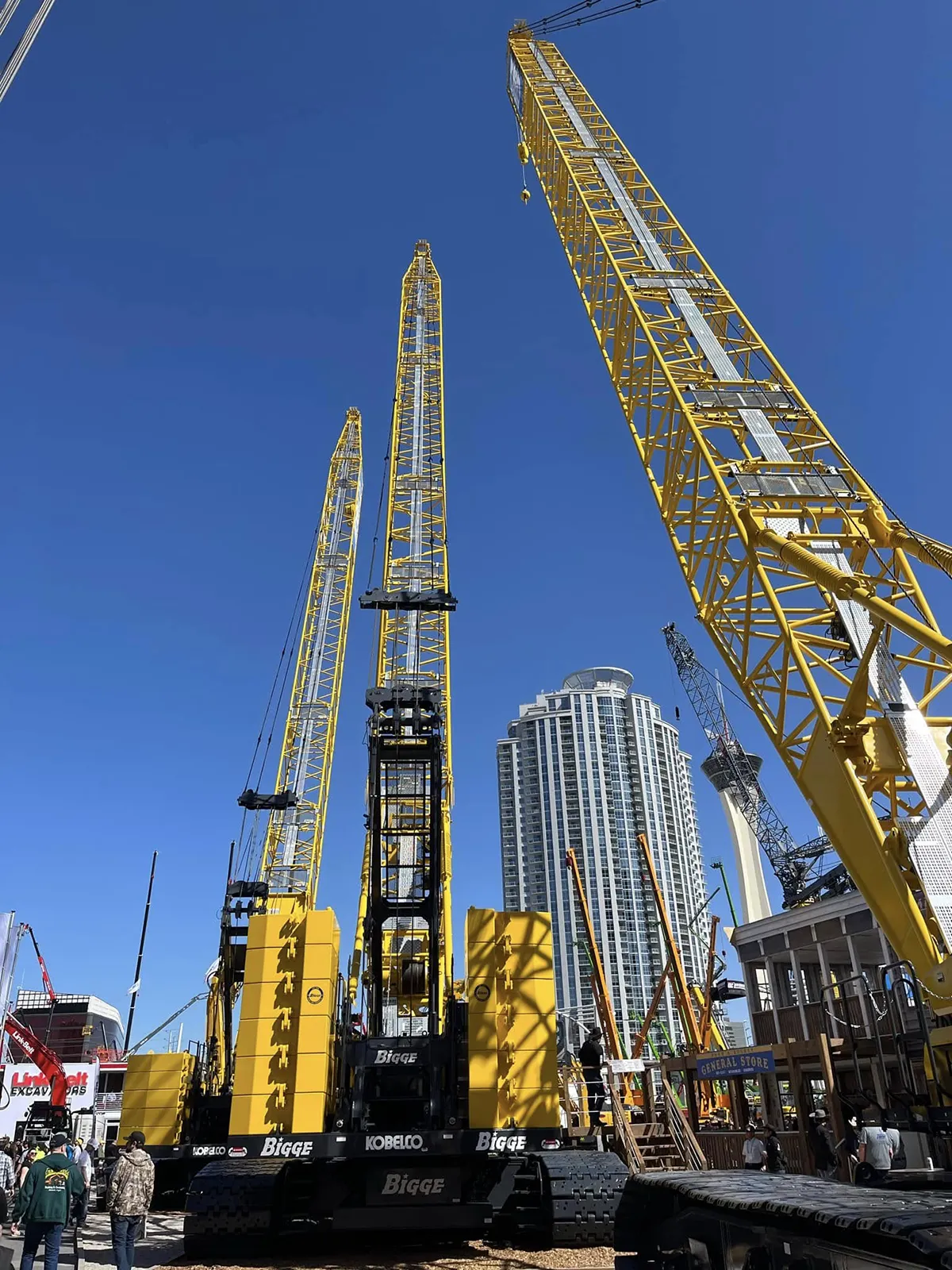
Not all loading conditions have the same impact, and treating them as equal is where many misunderstandings start. Some conditions cause immediate damage that compromises the rope in a single event, while others build stress gradually until failure occurs later with no obvious cause. In real lifting and marine operations, these forces rarely act alone; they overlap, compound, and accelerate each other depending on how the rope is used.
From what we see in the field, the most aggressive damage usually traces back to shock loading, especially when a load resists movement and then suddenly releases, as when pulling concrete from molds or lifting equipment out of mud. Understanding how shock loading impacts wire rope life helps you take proactive steps to prevent damage during routine work.
How Shock Loading Affects Wire Rope Life
Shock loading is one of the clearest examples of how loading conditions affect wire rope life in lifting and marine applications because it changes how force is introduced into the rope. Under controlled loading, tension builds gradually and predictably. Under shock loading, force is applied suddenly, often after resistance has already built up in the system. That difference matters because wire rope is designed to carry a load, but sudden spikes in force can change the rope’s condition far faster than most people expect. When that happens, the issue is not just the weight of the load; it is the speed and manner in which force is transferred.
This is why shock loading deserves early attention in any serious discussion of wire rope life. It is one of the fastest ways routine operations can shorten service life without an obvious failure now. In lifting and marine work, which matters because the rope can be damaged even when the operation appears controlled from the outside. Once force is introduced suddenly rather than gradually, stress is no longer distributed evenly through the rope, and that is where early damage begins.
One of the most common ways shock loading is created is by lifting against resistance. We see this regularly in situations like pulling concrete from molds or lifting equipment out of mud. In both cases, the load does not move immediately. Tension builds as force is applied, and then the load suddenly breaks free. Even though the load itself has not changed, the rope has been forced to absorb a very different kind of event than a normal lift.
What makes this especially important is that the lift can still look uneventful once the load starts moving. There may be no immediate visible failure, no dramatic incident, and no reason for the crew to assume that the rope condition has changed. But internally, the rope has already been subjected to concentrated stress rather than gradual loading. That can begin the kind of damage that shortens rope life early, including localized overstressing, internal displacement, and the start of fatigue that may not be obvious during a quick visual check.
Where shock loading usually starts:
- Loads that resist movement before breaking free
- Lifts where tension builds before the load shifts
- Operations that appear controlled but apply force suddenly
- Situations where the load weight stays the same, but the force on the rope does not
Shock loading matters because it changes the question from “how heavy was the load?” to “how was the load picked up?” That is a more useful question when evaluating wire rope life. In many cases, rope life is shortened not by a single overload, but by a moment when force is applied suddenly enough to change the rope’s condition long before the damage is easy to see.
How Marine and Contact Conditions Affect Wire Rope Life
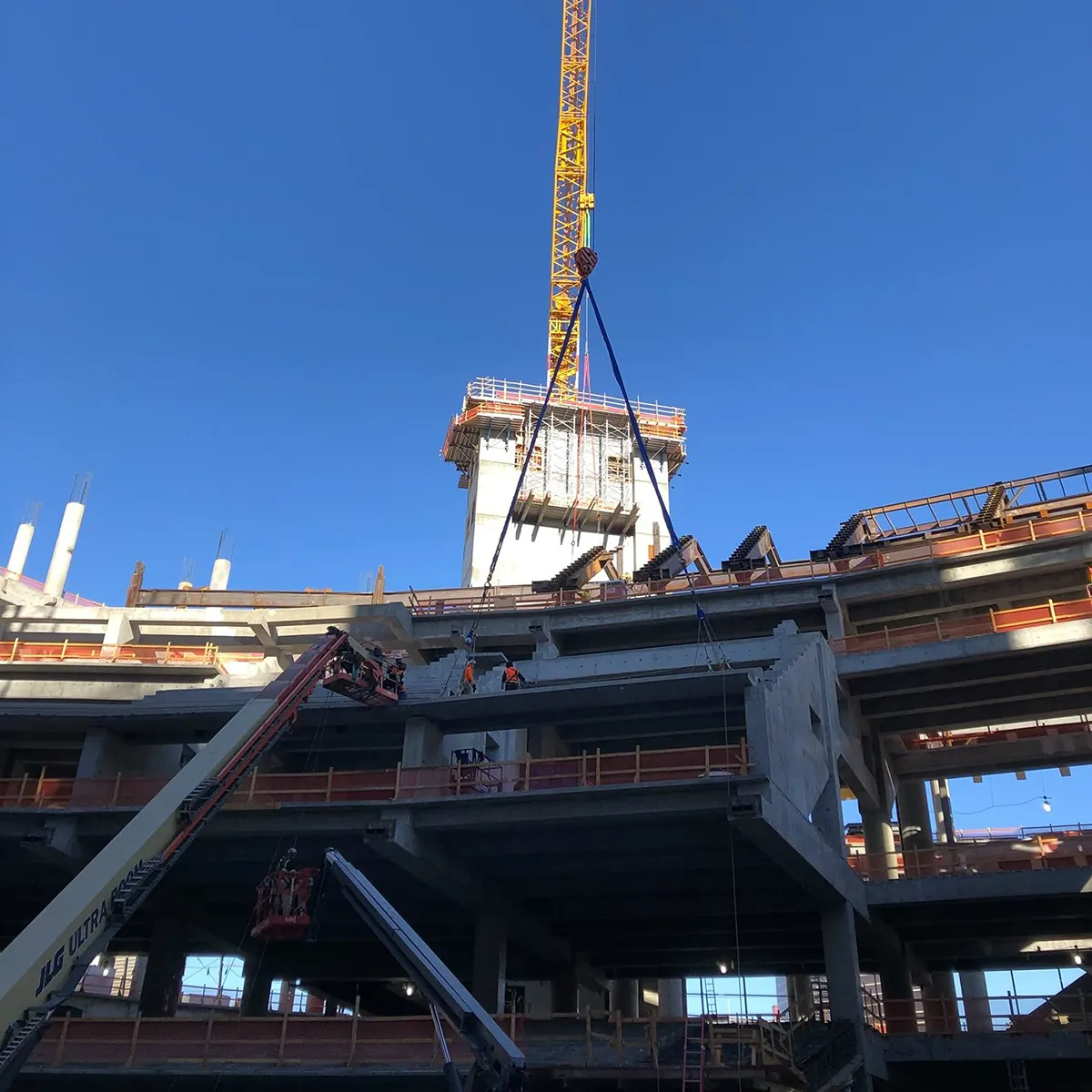
Shock loading introduces damage in a single event. Marine and contact conditions shorten wire rope life through continuous exposure. In towing and mooring work, the rope is under load while also in contact with hardware, surfaces, and the environment. That combination changes how stress is applied and how quickly wear develops. The result is not one failure point, but a steady reduction in rope life driven by how the rope is used and what it is exposed to under tension.
At Bilco, the same conditions recur when rope life is shorter than expected. These are not edge cases. They are built into how towing and mooring operations are carried out.
In towing and mooring work, rope life is most commonly shortened by:
- Abrasion and cuts from contact surfaces:Rollers, dock edges, deck fittings, and anti-slip surfaces create continuous contact underload. That contact wears down outer wires and removes material from the rope. As the cross-section is reduced, the rope loses strength where it is being worked the hardest.
- Unwanted twist:Twist changes how the load is carried through the rope. Instead of the load being shared evenly, stress is redirected and concentrated. Over time, this leads to distortion, kinking, and internal damage that may not be obvious during routine handling.
- Heat from friction:Rope-on-rope contact and contact with bitts, cleats, and chocks generate heat under tension. Heat indicates friction, and friction increases wear. It also affects lubrication within the rope, which further accelerates degradation at both the surface and internal contact points.
- Overloading outside working load limits:Using rope beyond its rated capacity, or in a configuration that increases effective load, introduces stress that the rope is not designed to carry. Even if the rope does not fail during the lift or tow, that stress reduces remaining life and increases the likelihood of damage during subsequent use.
- UV degradation: In marine environments, long-term exposure affects materials within the rope system. This becomes more relevant when synthetic components, coatings, or protective systems are part of the application, as they can contribute to long-term degradation.
- Dirt and sand infiltration:Contaminants enter the rope during use and remain under load. Once inside, they act as an abrasive material between wires and strands. Instead of wear occurring only at the surface, internal contact points begin to degrade, accelerating fatigue and reducing overall service life.
These conditions matter because they are not isolated. A rope may be under tension, in contact with hardware, exposed to contaminants, and carrying twist simultaneously. That overlap changes how quickly damage develops and how predictable rope life actually is. In these environments, wire rope life is not determined by a single factor, but by how these conditions combine during everyday use.
How to Evaluate Wire Rope Condition Before It Becomes Unsafe
Loading conditions determine how wire rope life is reduced, but the condition determines whether the rope can still be used. By the time a rope is being evaluated, it may have already been exposed to shock, contact, tension, and environmental factors that may not be obvious on the surface. This is where the focus shifts from what happened during the operation to what those conditions have done to the rope itself. The following questions address how to assess wire rope condition based on use, not assumption, before the next lift or tow.
How do you know when wire rope should be removed from service?
Wire ropes should be removed from service when any of the following conditions are met.
- Broken wires
- Significant abrasion
- Kinking
- Crushing
- Birdcaging
- Heat damage
- Corrosion
These conditions indicate that loading has already altered the rope’s structure. Once structural integrity is compromised, continued use introduces risk that cannot be corrected through adjustment or handling.
Does the age of the wire rope determine when it becomes unsafe?
Age alone does not determine whether a wire rope is unsafe. A sling that has been stored properly and not exposed to damaging conditions may remain serviceable, while a newer rope exposed to poor loading conditions can degrade quickly. Condition, not age, determines usability.
Can a wire rope be damaged even if it was not overloaded?
Yes. Wire rope can be damaged without exceeding working load limits. Shock loading, uneven tension, abrasion, twist, contamination, and heat can all introduce stress that shortens rope life without a single overload event. These conditions change how the rope carries the load over time.
Why can a wire rope fail even when it looks normal after a lift?
Wire rope can experience internal damage that is not immediately visible. Events like lifting against resistance or sudden load release can introduce concentrated stress within the rope. Even if the rope appears unchanged externally, its internal condition may already be affected.
What is the most important factor in evaluating wire rope condition?
The most important factor is what the rope has been exposed to during use. Loading conditions determine how stress is applied, how damage develops, and whether the rope can continue to perform safely. Evaluating a condition requires understanding those exposures, not relying on appearance, age, or general assumptions.
Evaluate Wire Rope Condition with Bilco
When the life of a wire rope is affected by loading conditions, the only way to move forward with confidence is to evaluate its actual condition. At Bilco, we help lifting and marine operations evaluate rigging in real-world field use. If there is uncertainty around what your rope has been exposed to, that uncertainty becomes a risk. Our team helps identify that risk before it turns into a failure. Connect with Bilco to evaluate your rigging with clarity and control.